Quick answer
Knee cartilage recovery after returning home usually means slower pain control and better joint tolerance, not fast regrowth of new cartilage. The key point is that safe, steady loading helps the knee joint calm down and work better, while sudden overload can restart swelling, stiffness, and pain.
Key takeaways
- Cartilage recovery in knee osteoarthritis is usually measured by less swelling, better motion, and easier stairs, not by quick cartilage regrowth.
- Mild soreness after exercise can be normal, but fever, a hot red knee, chest pain, or new calf swelling needs local medical attention.
- Your Korea treating team can guide recovery from abroad, but urgent symptoms should be checked by a doctor near you.
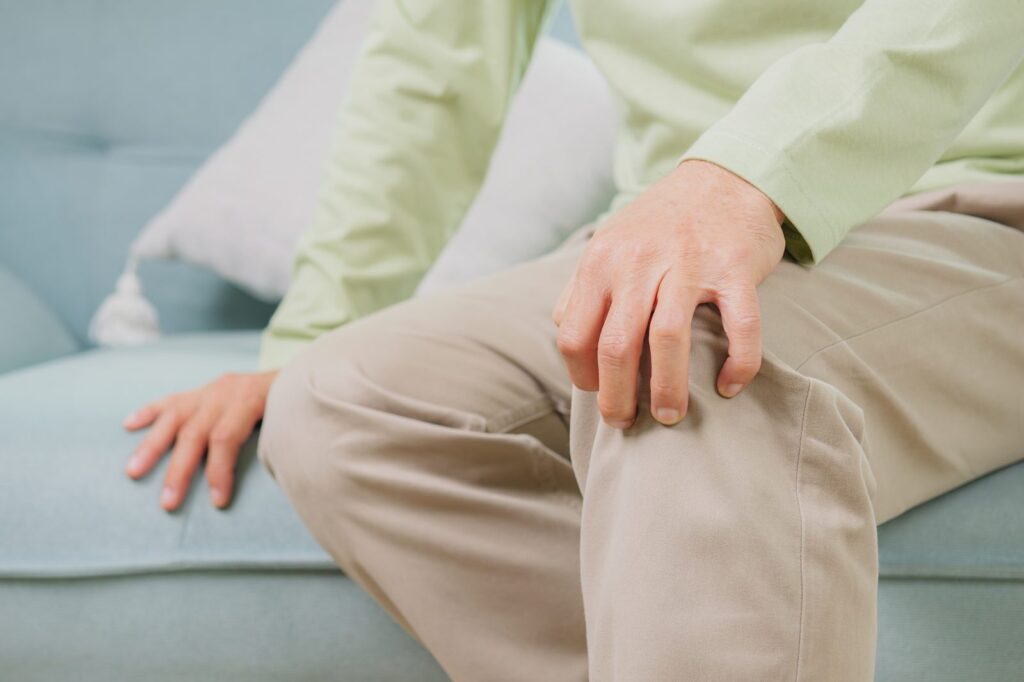
Why does my knee still hurt after I got home?
Your knee can still hurt after you get home because cartilage recovery in osteoarthritis means calming and loading a living joint, not quickly growing a new cushion. OA pain can come from pathologic changes in cartilage, bone, synovium, ligament, muscle, and periarticular fat.1 The cartilage surface has no blood vessels, so chondrocytes, the cells that maintain cartilage, receive nutrients through synovial fluid, the joint fluid that moves when the knee bends and straightens.
In knee osteoarthritis, chondrocytes may become stressed or die, and the cartilage matrix loses type II collagen and aggrecan, the proteins that give cartilage strength and spring. Inflammatory signals from the synovium, including interleukin-1 beta and tumor necrosis factor alpha, can increase enzymes such as matrix metalloproteinases and ADAMTS enzymes. Those enzymes cut collagen and aggrecan, so the cartilage surface becomes less able to spread pressure smoothly when you stand up from a chair or go down stairs.
The hardest idea is that cartilage is more like a damp sponge in a sealed hinge than like skin with a blood supply. Gentle compression and release push joint fluid through the cartilage, but a hard twist or a sudden long walk can squeeze an irritated surface and trigger swelling. That is why a good day followed by too much activity can cause pain the next morning.
What should recovery usually look like week by week?
Recovery after you return home usually moves from travel-related stiffness to steadier walking and then to stronger daily function over several weeks. During the first week home, the knee may feel tight from the flight, airport walking, and changes in sleep. The first steps in the morning may be stiff, and the knee may feel fuller by evening because the synovium reacts to load by making extra fluid.
From weeks 2 to 4, the main goal is a repeatable routine rather than a heroic workout. OARSI guidelines describe arthritis education and structured land-based exercise programs, with or without dietary weight management, as core treatments for knee OA.4 At this stage, you should be able to learn which tasks provoke the knee: climbing a full flight of stairs, standing to cook, kneeling, or getting out of a low car seat.
From weeks 5 to 8, many patients can increase walking time, stationary cycling resistance, or strengthening exercises if swelling does not increase the next day. From weeks 9 to 12, the usual target is more reliable function, such as fewer painful first steps and better control going downstairs. If you had an injection, arthroscopy (keyhole surgery through small cuts), or another procedure in Korea, your own discharge plan overrides any general timeline.
What symptoms are normal, and what warning signs need local medical care?
Mild aching and brief stiffness can be normal after home exercise, but heat, fever, chest symptoms, or major new swelling should be checked locally. A normal response is soreness in the front or inside of the knee that settles within about 24 hours after a new exercise. A small increase in swelling by evening can also happen when the synovium is still sensitive, especially after grocery shopping, stairs, or standing in a long line.
A warning sign is pain that keeps rising despite rest, ice, and reduced activity. You should seek prompt local care for a hot red knee, fever, drainage from a wound or injection site, inability to bear weight after a fall, sudden locking that prevents straightening, or new numbness or weakness in the foot. After a long flight, a swollen painful calf, shortness of breath, chest pain, or coughing blood needs urgent evaluation because a blood clot in the leg or lung must be ruled out.
Normal soreness is usually linked to a clear load, such as the first longer walk or a new squat exercise. Warning pain often feels out of proportion, appears with illness, or comes with a visible change in the leg. If you are unsure, send photos or a short walking video to the Korea team, but do not wait for an overseas reply if the symptom could be urgent.
What rehabilitation should I do at home?
Your home rehabilitation should combine motion, strength, balance, and low-impact endurance while keeping next-day swelling under control. First-line management of OA comprises exercise therapy, weight loss (if overweight), education, and self-management programs.5 The 2019 American College of Rheumatology and Arthritis Foundation guideline made strong recommendations for exercise and for weight loss in patients with knee or hip OA who are overweight or obese.2
A practical routine often starts with range-of-motion work, such as heel slides on the bed and gentle knee straightening with the heel supported. Strength work usually focuses on the quadriceps at the front of the thigh, the hip abductors on the outside of the hip, and the calf muscles, because those muscles control knee position when you climb stairs or stand up from a chair. Low-impact endurance can include level walking, a stationary bike, or pool walking if the skin is healed and your clinician allows water exercise.
Use the next morning as your dose test. If the knee is more swollen, warmer, or much stiffer the next day, reduce the number of repetitions, the depth of knee bend, or the walking time. Exercise therapy cannot reliably rebuild a smooth cartilage layer in an advanced arthritic knee, but exercise therapy can improve how the joint shares load and how the nervous system interprets movement.
How does follow-up with the treating team in Korea work from the United States?
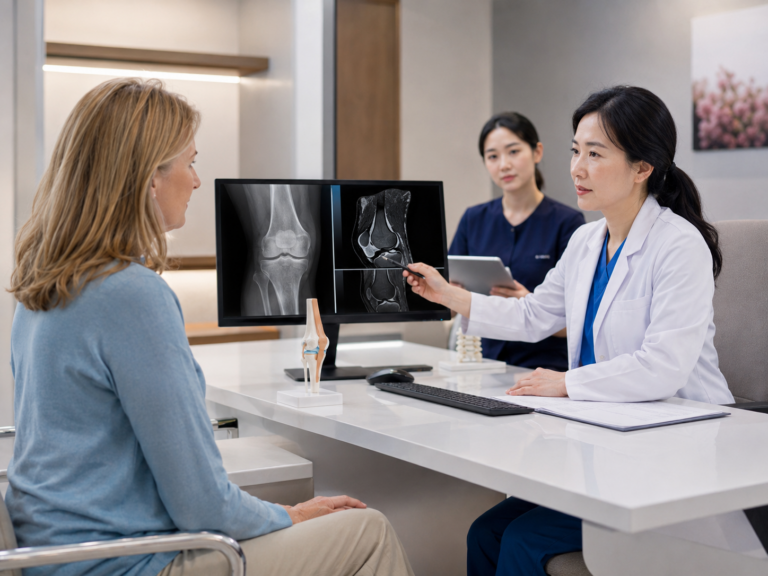
Follow-up from the United States works best when you send clear function data, not only a message that the knee hurts. Your treating team in Korea can often judge progress from pain scores, swelling photos, range-of-motion measurements, and short videos of walking, stair climbing, and standing up from a chair. Those details show whether the knee is irritated, weak, stiff, or mechanically blocked.
Before each remote follow-up, write down your current medicines, walking time, exercise list, pain at rest, pain on stairs, and whether swelling is better or worse than the week before. A front photo of both knees can show swelling, and a side photo during knee bending can show flexion, the amount the knee bends. If the Korea team requests an X-ray, ask your local clinic for standing anteroposterior, lateral, and skyline or merchant views if those match the request.
Remote follow-up has limits because a doctor cannot feel warmth, test ligament stability, drain fluid, or examine calf tenderness through a screen. A local orthopedist, primary care doctor, urgent care clinic, or emergency department should assess warning signs. The concrete step you can take today is to make a one-page recovery log and send your next message with the log, two photos, and a 20-second walking video, because steady loading only works when your team can see how the knee is responding.
Frequently asked questions
Will my knee cartilage grow back if I keep exercising?
Exercise usually does not make a new smooth cartilage layer grow back in an arthritic knee. Exercise helps by improving muscle support, joint fluid movement, balance, and pain control. Chondrocytes can maintain cartilage matrix, but dead cartilage cells do not simply reappear because you walk more.
Should I keep exercising if my knee hurts afterward?
You can usually continue if soreness is mild and settles by the next day. Reduce the depth of squats, walking time, or resistance on the bike if swelling, warmth, or stiffness is clearly worse the next morning. Stop and seek advice if pain is sharp, sudden, or linked to giving way.
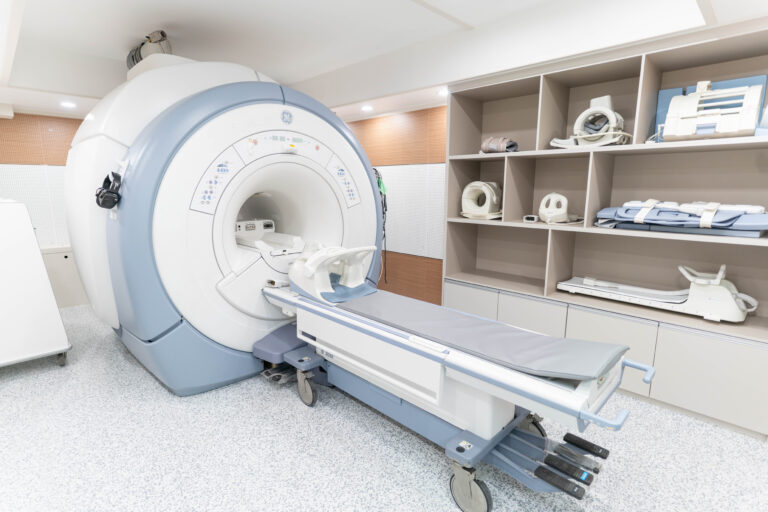
Do I need an MRI now that I am back home?
An MRI is not usually needed just because the knee still aches during recovery. Osteoarthritis diagnosis is clinically based despite the widespread overuse of imaging methods.3 Local X-rays or MRI may be needed after a fall, new locking, major swelling, infection concern, or a change your doctor cannot explain by examination.
Should I try CARTISTEM or bone marrow aspirate concentrate after returning to the US?
You should not assume CARTISTEM or bone marrow aspirate concentrate will rebuild knee cartilage after you return home. Higher-quality guidelines consistently recommended against stem cell (hip and knee) injections.6 CARTISTEM availability and regulatory status differ by country, and bone marrow aspirate concentrate should not be called proven stem cell therapy for knee OA. These guideline statements concern injection-based stem cell products, which are a separate category from cartilage procedures performed in a hospital under national regulatory approval and decided case by case. Our plain-language summary of what the current evidence does and does not support is on the Clinical Evidence page.
References
- Diagnosis and Treatment of Hip and Knee Osteoarthritis: A Review. JAMA. 2021 Feb 9. PubMed 33560326
- 2019 American College of Rheumatology/Arthritis Foundation Guideline for the Management of Osteoarthritis of the Hand, Hip, and Knee. Arthritis care & research. 2020 Feb. PubMed 31908149
- Osteoarthritis. Lancet (London, England). 2019 Apr 27. PubMed 31034380
- OARSI guidelines for the non-surgical management of knee, hip, and polyarticular osteoarthritis. Osteoarthritis and cartilage. 2019 Nov. PubMed 31278997
- Evaluation and Treatment of Knee Pain: A Review. JAMA. 2023 Oct 24. PubMed 37874571
- Recommendations for the management of hip and knee osteoarthritis: A systematic review of clinical practice guidelines. Osteoarthritis and cartilage. 2023 Oct. PubMed 37394226